

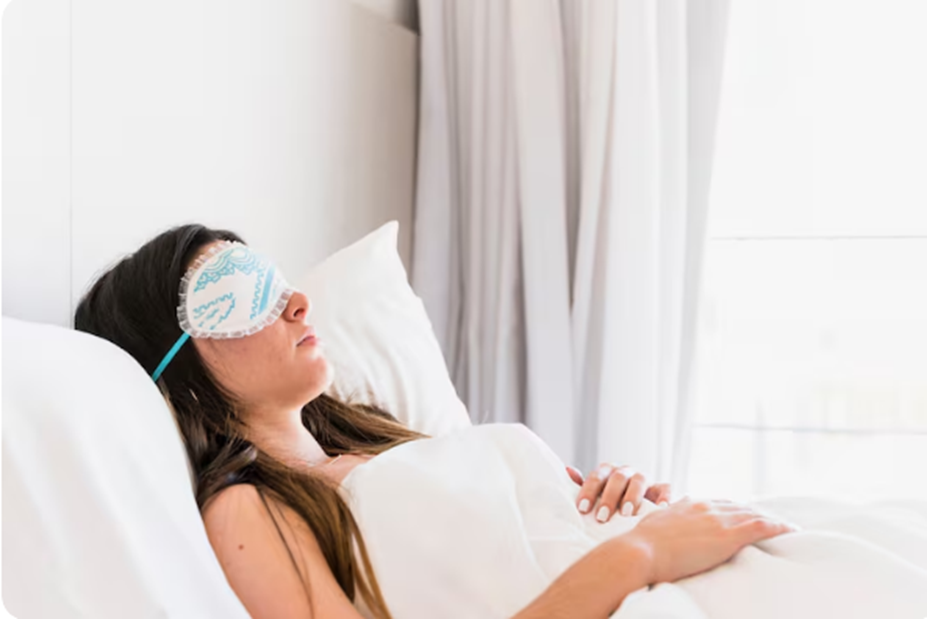
Sleep Apnea is essential for good health, energy, and mental wellbeing. Yet many Australians struggle with poor sleep without realizing that an underlying medical condition may be the cause. One of the most common and underdiagnosed sleep disorders is sleep apnea.
Sleep apnea affects breathing during sleep and can lead to serious health complications if left untreated. Tardies, shift workers, and busy adults often ignore symptoms such as loud snoring or constant tiredness, assuming it is simply part of a demanding lifestyle. At Flinders Chemists, patients across NSW can access guidance, screening support, and referrals as part of a growing focus on improving sleep health Australia wide.
Understanding Sleep Apnea
Sleep apnea is a condition where breathing repeatedly stops and starts during sleep. These pauses in breathing can happen dozens or even hundreds of times a night, reducing oxygen levels and disrupting deep, restorative sleep.
Many people with Sleep Apnea are unaware they have it because the symptoms occur while they are asleep. Often, a partner or family member is the first to notice loud snoring, choking sounds, or breathing pauses. If untreated, sleep apnea can affect daily functioning, mood, concentration, and long-term health outcomes.
What Is Sleep Apnea?
Sleep apnea is most caused by a blockage in the airway, known as obstructive sleep apnea. This happens when throat muscles relax too much during sleep, narrowing the airway, and interrupting breathing.
Symptoms can include heavy snoring, waking up gasping, dry mouth in the morning, and ongoing daytime fatigue. Many adults also experience headaches, irritability, and difficulty focusing on work. Because tardies and workers often rely on alertness for safety, recognizing symptoms early is extremely important.
Why Australians Should Take Sleep Problems Seriously
Sleep disorders are not just about feeling tired. Poor sleep quality can increase the risk of heart disease, high blood pressure, type 2 diabetes, and mental health concerns.
Sleep apnea also increases the likelihood of workplace accidents and driving fatigue. In Australia, fatigue-related road incidents remain a serious issue, particularly for people working long hours or operating machinery. Improving sleep health Australia wide requires early screening and access to practical support, which is where pharmacies can help.
Can a Pharmacy Test for Sleep Apnea?
Many Australians wonder whether pharmacies can provide sleep apnea testing. While pharmacies do not provide a formal medical diagnosis, they can play a valuable role in screening, education, and referral support. Pharmacy-based services make it easier for people to take the first step, especially those who may not have visited a doctor yet.
What Pharmacies Can and Cannot Do
A pharmacy can help identify possible sleep apnea risk through screening questionnaires, symptom discussions, and referral pathways. Pharmacists can also guide patients toward appropriate sleep testing services.
However, a confirmed diagnosis must be made through a GP or sleep specialist, often involving a sleep study. Pharmacies support the process by making screening and education more accessible. At Flinders Chemists, patients can receive expert guidance on the next steps if sleep apnea is suspected.
Sleep Apnea Screening NSW Through Community Pharmacies
Access to sleep apnea screening NSW services is improving thanks to community-based health support.
Community pharmacies offer an approachable environment where patients can discuss symptoms privately and learn about testing options without delay. Early screening helps reduce the time between symptom onset and treatment, improving long-term outcomes.
How Pharmacy Sleep Screening Works
Pharmacy screening is designed to identify people who may be at risk of sleep apnea and encourage timely follow-up care. These services are practical, supportive, and often the first step toward better sleep and improved wellbeing.
Initial Consultation and Symptom Review
The first stage of screening usually involves a conversation with the pharmacist. Patients may be asked about symptoms such as:
- Loud snoring
- Daytime tiredness
- Breathing pauses during sleep
- Morning headaches
- Poor concentration
The pharmacist may also discuss lifestyle factors such as weight, alcohol intake, smoking, and work-related fatigue. This initial review helps determine whether further testing is recommended.
Home Sleep Testing Support
In many cases, patients may be referred for a home sleep test through a GP or partnered sleep service. Pharmacies can help explain how these tests work and what to expect. Home sleep studies are convenient because they allow patients to sleep in their own bed while wearing monitoring equipment that tracks breathing patterns and oxygen levels.
Flinders Chemists can support patients through this process by providing education, reassurance, and follow-up guidance.
CPAP Support Pharmacy Services
For many patients diagnosed with obstructive sleep apnea, treatment involves CPAP therapy. CPAP stands for continuous positive airway pressure and helps keep the airway open during sleep. Pharmacies play an important role not only in screening but also in long-term treatment support.
What Happens After Diagnosis
Once sleep apnea is diagnosed, a GP or sleep specialist may recommend CPAP therapy. This involves using a small machine and mask during sleep to improve airflow and prevent breathing interruptions. Adjusting to CPAP can take time, and many patients need education and encouragement during the early stages of treatment.
Ongoing Support Through Local Pharmacies
A CPAP support pharmacy service may include assistance with:
- Understanding how CPAP works
- Mask comfort and fitting guidance
- Cleaning and maintenance advice
- Regular follow-up support
Community pharmacies make it easier for patients to access help locally, rather than travelling long distances to specialist clinics. Community pharmacies can participate in sleep apnea screening and related services (such as risk questionnaires, referrals for testing, home sleep test facilitation, and advice). Flinders Chemists are committed to supporting patients with sleep health solutions and practical care.
Why Pharmacies Are Important for Preventative Health
Sleep apnea is closely connected to other health conditions, particularly cardiovascular and metabolic risks. This is why pharmacy services are increasingly part of preventative healthcare. Pharmacies provide accessible screening that supports early intervention and better long-term health outcomes.
Blood Pressure Testing and Sleep Health Links
Sleep apnea is strongly linked to high blood pressure. Repeated oxygen drops during sleep can strain the cardiovascular system over time. Pharmacies offering Blood Pressure Testing can help patients monitor their heart health regularly. If elevated readings are found, patients can be referred to their GP for further assessment.
Blood Glucose Testing and Metabolic Risk
Sleep disorders can also increase the risk of insulin resistance and type 2 diabetes. Many patients with sleep apnea benefit from regular Blood Glucose Testing as part of ongoing health monitoring. Pharmacies help patients stay aware of these risks and take action early through lifestyle changes and medical support.
Medication Management and Packing for Chronic Illness
Patients managing chronic conditions often take multiple medications. Flinders Chemists provides Medication Management and Packing services to improve safety and adherence. For seniors with sleep apnea and other conditions, dose administration aids can reduce medication confusion and improve overall health outcomes.
Support for Aged Care Facilities
Sleep apnea and medication complexity are common concerns in older populations. Flinders Chemists work closely with Aged Care Facilities to support safe medication packing, adherence, and health monitoring. Pharmacy-based care helps improve patient safety for seniors across NSW.
When to See a doctor or Sleep Specialist
While pharmacy screening is helpful, certain symptoms require medical follow-up. Patients should see a GP for medical diagnosis if they experience:
- Severe daytime fatigue
- Breathing pauses noticed by others
- High blood pressure
- Morning headaches
- Difficulty staying awake while driving
A GP may refer patients for a formal sleep study and specialist treatment if needed. Early diagnosis is key to preventing long-term complications.
Why Choose Flinders Chemists for Sleep Health Support
Flinders Chemists is dedicated to improving patient wellbeing through accessible health services, expert advice, and community-based care. With support for sleep apnea screening NSW, CPAP guidance, blood pressure testing, vaccinations, and medication management, Flinders Chemists plays an important role in supporting sleep health Australia wide. Patients benefit from trusted local care, professional pharmacy services, and personalized support at every stage of their health journey.
Conclusion
Sleep apnea is a serious but treatable condition that affects thousands of Australians. Recognizing symptoms early and accessing screening support can make a significant difference to long-term health and quality of life.
So, can a pharmacy test for sleep apnea? While pharmacies do not diagnose the condition directly, they provide valuable screening, education, and referral pathways that help patients act sooner.
If you are experiencing ongoing tiredness, loud snoring, or poor sleep quality, contact Flinders Chemists today to learn more about sleep apnea support services and take the first step toward safer, healthier sleep.